Meeting in the Middle
Anyone who has ever tried to order dinner in a country where they don’t speak the language knows the routine. You point at the menu, you smile, you draw something on a napkin, and somehow a plate arrives that looks a lot like what you had in mind. Nobody handed you a manual. You just found a way to be understood.
We do a version of that every week at Inflexion, only with higher stakes and better tools. English is the language that connects most of our projects, and for most of them, that’s all we need. But software isn’t only built for people who share our language. Sometimes the person on the other side of the project is in Korea, Vietnam, or Thailand, and the conversation stops being a conversation and becomes a puzzle we solve together.
English Gets Us Most of the Way
English is our common ground for good reason. It’s the language of our documentation, our tickets, and most of our calls, and it lets teams in different time zones start working without a translator in the room. For many of our clients, it’s a second language they use with real confidence.
But confidence isn’t the same as fluency, and a project isn’t only made of calls. It’s made of small decisions: what a button should say, where a form field belongs, whether a message sounds polite or abrupt in a language where tone works differently. When English is a second language for the people on both sides of the conversation, a sentence that feels perfectly clear to one person can leave the other nodding politely without having understood it. And a polite nod is how a small misunderstanding turns into rework two weeks later.
Where the Tools End and Instinct Begins
Today we have plenty of help. Translation tools give us a first draft in seconds, and they’re good enough to keep a conversation moving. We use them every day, and we’re glad to have them.
But no tool tells you that Thai is written largely without spaces between words, so a page designed around English line breaks will wrap in the wrong places. Or that Vietnamese stacks accents above and below its letters, so a line height that looked perfect in English now clips them. Or that Korean text can wrap in the middle of a word unless the layout is told otherwise. Those things you learn by looking at the screen, and sometimes by getting it wrong once.
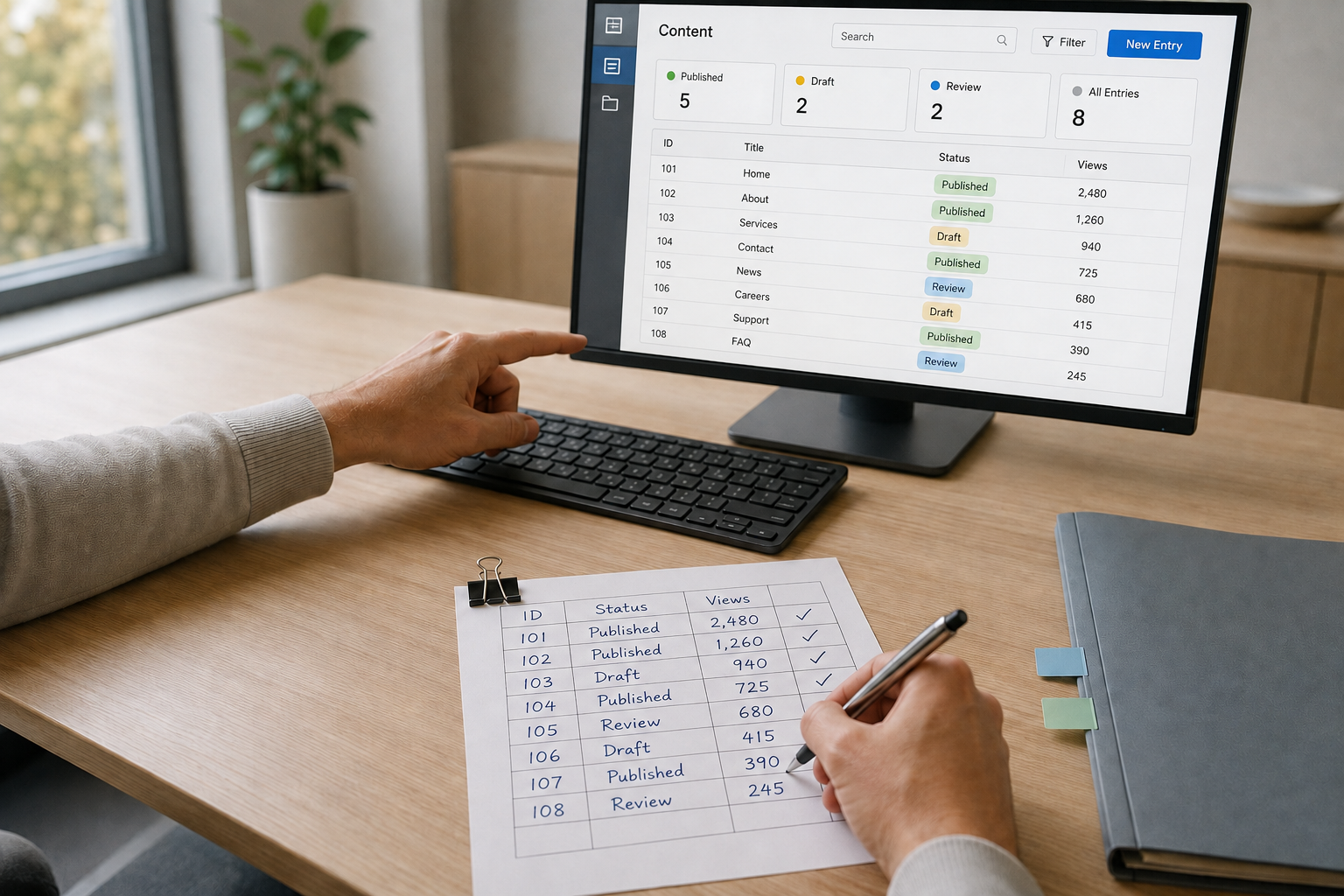
That’s where instinct comes in. You share your screen and point at the element in question. You circle things on a screenshot, add arrows and short labels, and sketch the layout instead of describing it. You ask questions that can be answered with a yes or a no, and you confirm the important things twice, in two different ways. Sometimes the fastest way to understand each other is to stop talking and show the thing.
What This Means for Us
The hard part isn’t choosing a translation tool. It’s building a team that knows when to trust the tool and when to trust its own eyes. At Inflexion, nobody solves this alone. The developer who notices a layout is about to break, the designer who adjusts the spacing, the project manager who rewrites an email in simpler words, the client who takes the time to explain what they meant: everyone adds a piece, and the product is better for it.
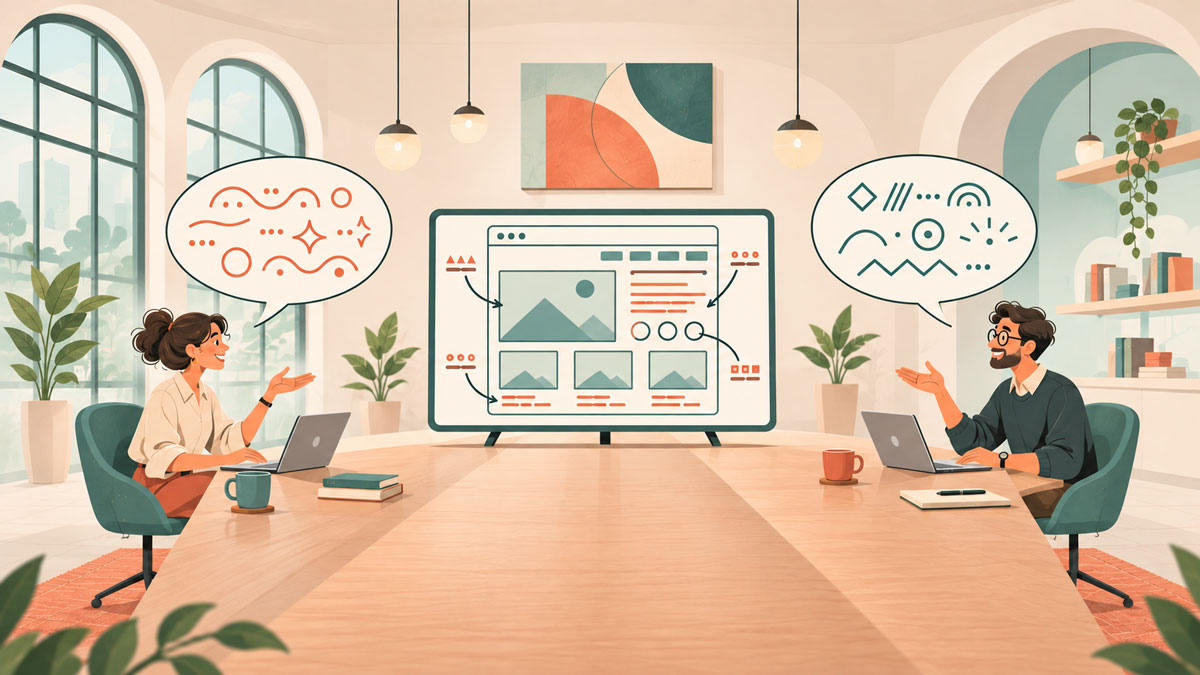
We don’t expect our clients to meet us in perfect English, and they shouldn’t expect us to speak their language perfectly either. What we do is look for the middle point: shared screens, visual references, short and clear writing, and a team willing to ask one more question instead of assuming.
Tools will keep changing, and so will the languages in our projects. What doesn’t change is that quality software gets built by people who made the effort to understand each other. If you’re building something for users in more than one language and want a team that treats that effort as part of the craft, you’ll find us at inflexionsoftware.com.